
How to get wildlife to move out
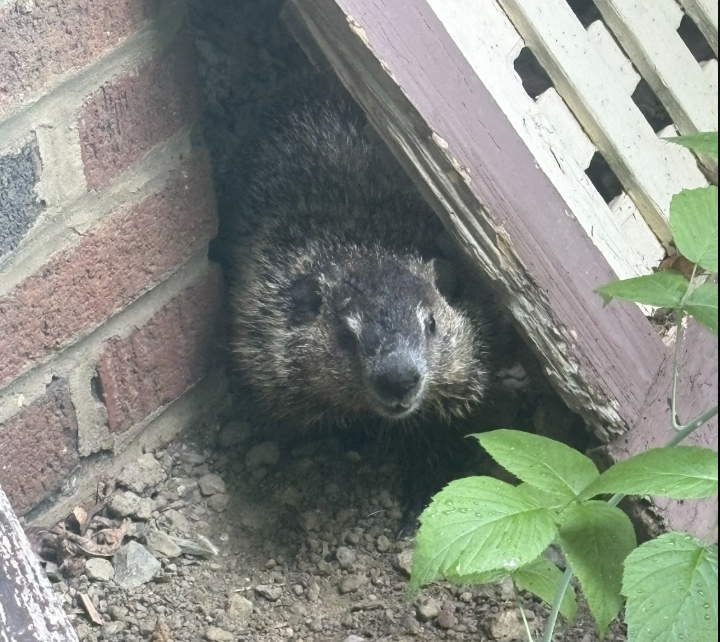
We don’t all like our neighbors—human or animal!
While animals have a right to make a home as well, sometimes the spots they pick may not be ideal. If you have a wild neighbor you’d like to encourage to move on, there are several things you can do.
Please always consider these steps before calling an exterminator or animal removal company. These companies will euthanize the animals, so it is far more humane to give the creatures a chance to move on their own. This is especially critical in baby season, when trapping or removing an adult may leave babies orphaned.
1) Remove food sources
Animals are opportunists, and if there is a great food source there is no motivation to move on. Think about posting up next to your favorite buffet—why move, unless they run out of snacks? If there’s no food, the animals will have to go find it elsewhere.
Food sources include trash, bird feeders, outdoor cat feeding stations and, sadly, your garden. Secure all of these and you’ll take away the free meal.
2) Make the area inhospitable.
Wildlife probably won’t notice a Keep Out sign, but it’s harder to ignore things that keep them awake! Animals look for quiet, dark places to hunker down. If there are animals under your deck or shed, shine a flashlight underneath to illuminate the area. You can also add a radio playing loud music. If you take away the dark and quiet, the animal will want to leave.
3) Get smelly.
Just like you wouldn’t want to live in a gross-smelling home, animals don’t want to deal with gross odors either. Place cotton balls or rags soaked in ammonia or synthetic urine at the entrance of the den. PLEASE only use synthetic urine; true urine is often harvested extremely unethically from animals.
4) Keep things moving.
Motion is another great deterrent. Buy some cheap children’s pinwheels from the dollar store and put them up all around the den entrance. When the wind blows them, the movement will startle the animals, often confusing them enough to convince them they don’t want to live in this chaos anymore.
5. Set an alarm.
There are a wide range of different solar-powered motion-detector animal deterrent devices that emit noises or flashing lights when motion is detected. Some use ultrasonic sound waves that are inaudible to humans, but highly annoying to animals like raccoons, squirrels and other rodents. Others use startling sounds like predator calls, or an array of flashing lights. Explore some of the options available and see what works best for your situation.
6. Don’t leave the door open behind them!
Once an animal has moved out (and you are certain they are gone), close up the hole they were using to enter their burrow or fix loose lattice that allowed them to get under your deck. If the entry point isn’t closed off, someone else will happily move into the newly vacated digs!
By using these methods, you can encourage animals to move out by themselves and go live long, happy lives somewhere else! Please consider humane methods for eviction such as these before killing animals. And remember, there are many laws against trapping and relocating animals on your own!
