
8 things to remember in baby season
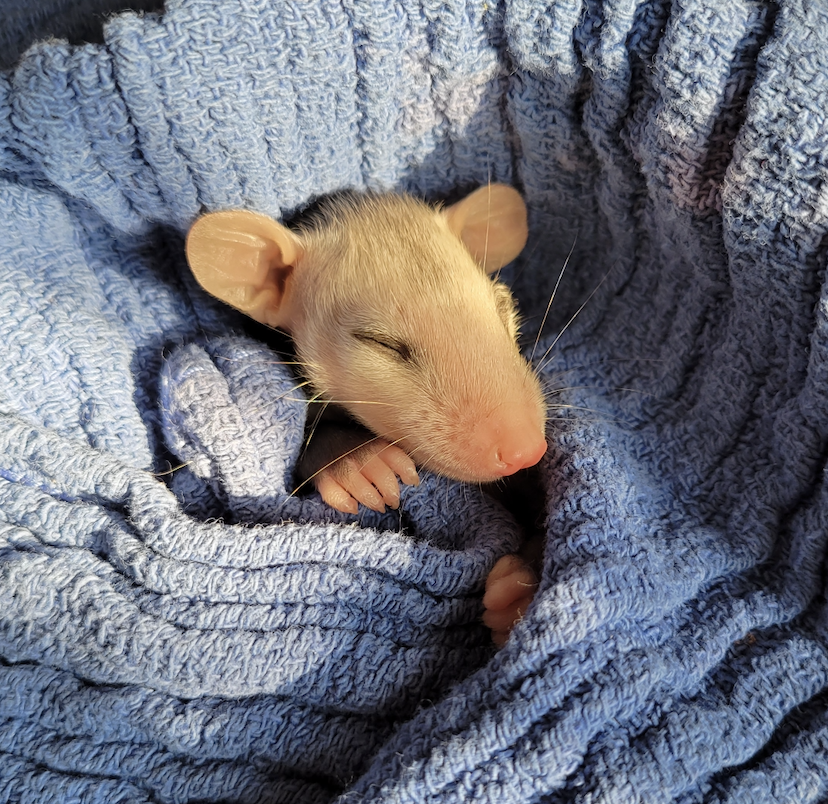
Spring has sprung, and baby season for our native wildlife is upon us!
As the weather warms, animals will begin to be out and about—soon with babies in tow! Or… not in tow, depending on the species. With increased animal activity and people spending more time outside, you may run into baby animals—with or without mom—in the upcoming months.
So, how can you tell if a baby animal needs help? Here are eight things to keep in mind this baby season.
1. Baby wildlife is rarely abandoned
While you may find a baby animal such as a fawn or cottontail by itself, that doesn’t mean it is abandoned. White-tailed deer and Eastern cottontails leave their babies alone for the majority of the day to avoid attracting predators to their location. They will return to the nest (or wherever they stashed their fawn) at dusk and dawn to feed and groom their babies. Raccoons will also leave their babies alone while they go in search of food.
However, like humans, some species do not leave their babies alone. Babies such as opossums, gulls, ducklings and goslings should not be on their own. Baby squirrels should also not be on the ground alone. If you find one of these without a parent in sight (or if you unsure if any species is being cared for by mom), contact Heights Wildlife Center or another licensed wildlife rehabilitator immediately.
2. Don’t move wildlife to a different location
Deer and rabbits know where they left their babies and will return to that location to find them. Since fawns and baby cottontails don’t have a scent at birth, mom can’t sniff them out and relies on location to know where they are. Moving one of these babies might make it impossible for mom to locate them. While it may seem like mom picked a bad location to leave her babies or make her nest (like the middle of your yard!), she picked it for a reason, so it’s important to leave them there.
The exception to this rule is if an animal has fallen out of (or prematurely left) a nest. In that case, contact Heights Wildlife Center for advice on how to return the baby to its home.
3. Mom does the best job!
Human care should always be the last resort. While it can be tempting to raise a baby animal, this can be very bad for the baby. Despite our best efforts, mom is always going to provide the greatest chance of survival for their offspring. If you find a baby animal, do not touch it or offer it food or water, and keep children and pets away. The less interaction you have with the baby, the better off it will be. Never bring wildlife into your home without first consulting with a wildlife rehabilitator to determine if it needs care.
4. Check before you mow
Cottontails are notorious for making nests in the middle of yards and flowerbeds, particularly if the grass or foliage is high. Before mowing your lawn, walk around your yard to check for nests. It’s much better to do a quick check than end up with a crisis on your hands if a nest gets run over by a lawnmower or hit by a weed whacker! If the nest is located in an inconvenient spot, remember not to move it! Instead, contact Heights Wildlife Center for advice on how you can protect the nest until the babies move on.
5. Keep an eye on your pets
While you may not know there is a bunny nest in your yard or a raccoon under your shed, your dog or cat will discover it quickly! Monitor dogs while they are out in the yard and keep cats indoors (which is a good rule in general!). Many of the babies that come into wildlife rehab are the victims of dog and cat attacks, which are preventable with a little supervision. Plus, checking the yard before you let your dog out could prevent an unwanted interaction with a skunk!
6. Don’t feed baby animals
Whether the baby is fine where it is or it requires intervention, do not feed any baby animals or give them water. Each species has specific dietary needs and feeding them the wrong things can hurt or even kill them. There is also a high risk of aspiration—fluid going into the lungs—if you attempt to give a baby water. If a baby requires help, its first need is not food. Imagine getting hit by a car and someone gives you a cheeseburger!
If the baby does need help and you cannot get the baby to a wildlife rehabilitator that day, they still don’t need to be fed—an animal can go overnight without food and water. Animals that are healthy in the wild should also not be fed, as it can acclimate them to people and result in them becoming nuisance animals.
7. Don’t trap or relocate adult animals
Some people dislike having wildlife in their yard and want to remove them. While we never recommend trapping (wildlife removal companies will euthanize the animal—contact us for more humane solutions!), it is especially critical in baby season. A raccoon out and about may have a litter stashed elsewhere. A woodchuck might have babies in its den. A squirrel, bird or bat in your attic may have offspring tucked in the eaves. Removing the parents means certain death for the babies.
8. Call a wildlife rehabilitator if you aren’t sure
If you find an injured or aren’t sure if an animal needs help, call a licensed wildlife rehabilitator like Heights Wildlife Center for advice. It’s better to ask before intervening and potentially causing harm to an animal. Google is not a good resource for wildlife issues, and since wildlife rehabilitation services are free to the public, there’s no reason not to call!
