
Where’s our wildlife in winter?
The cold has felt endless this season, and most of us are now asking ourselves, “why didn’t we head south for the winter?!”
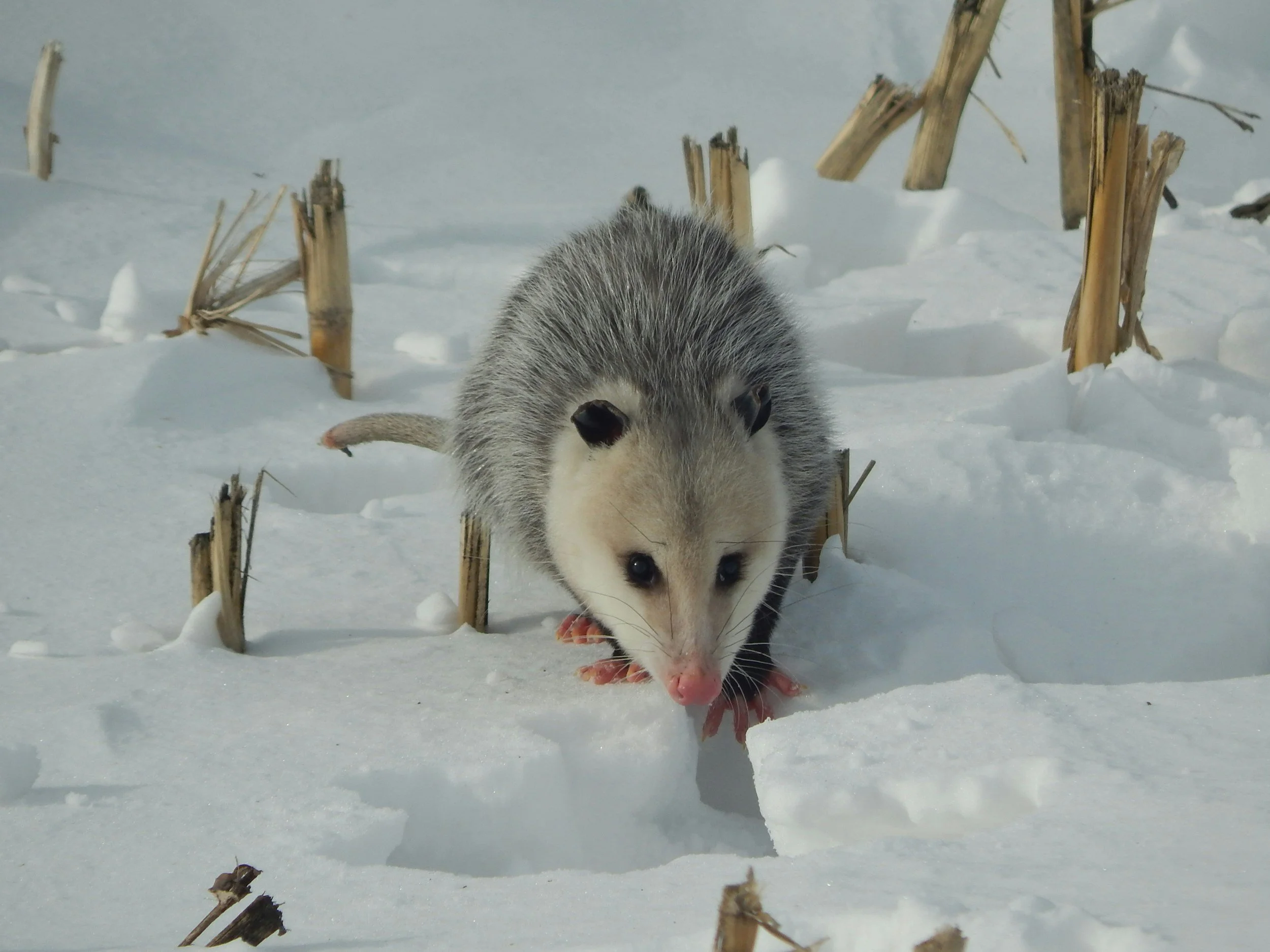
While many birds have winged their way to warmer climates, much of our native wildlife has hunkered down right here in Ohio to brave the cold. Although we don’t often see them during the winter months, there are many species that never leave the region.
It may seem counterintuitive to stay in an area where temps are consistently below freezing and food is hard to find, but many non-migratory animals have adapted to make it through the frigid months. Non-migratory birds, mammals and reptiles have all come up with clever ways to beat the chill, from thicker coats and extra fat to well-planned burrows and warm hideouts. And some say, “nope, not for me,” and just throw in the towel for the season to take a long nap.
Sleeping off the winter chill
While some species don’t alter their behavior much in the winter—Eastern cottontails, squirrels and white-tailed deer go about their business much like usual—many animals will settle in for a winter rest to conserve resources. Although people generally talk about hibernation, there are actually several types of sleep: Hibernation, torpor and brumation.
Hibernation
There are only a few “true” hibernating species. During hibernation, an animal’s metabolism and heart rate slow, and their body temperature drops to conserve energy. It’s like hitting the pause button for a few months: Because their metabolism has slowed so drastically, they can survive off stored fat that they packed on in the fall and don’t need to eat. Think of it as a deep sleep that’s also a diet plan.
While several bat species hibernate in Ohio, the woodchuck is probably the state’s most notable snoozer. Woodchucks enter hibernation in late October or November and stay that way until February or March. Their heart rate falls to 4-5 beats per minute, and they only take a breath about one or two times a minute. A woodchuck’s body temperature can drop almost 50 degrees during this time. Once they are in hibernation, they do not eat, drink or defecate and are nearly impossible to wake. As they deplete their fat stores, they begin to drop weight and can lose up to 30% of their body weight during hibernation.
Torpor
Eastern chipmunks also head into burrows for the winter, but they don’t go into true hibernation. Instead, they enter a state called torpor. Like true hibernators, their body temperature drops and their heart rate slows (from around 350 beats per minute to just four!). However, instead of passing out for months at a time, chipmunks will sleep very deeply for several days at a time before waking up to eat and drink. Because they don’t rely on fat stores like woodchucks do, chipmunks need access to food throughout the winter. To stock up beforehand, they spend most of the summer and fall caching food in their burrows, so they’ll have plenty of snacks to help them ride out the snowy months safely underground.
Brumation
In the winter, reptiles and amphibians like snakes and frogs retreat into their own winter dormancy state called brumation. During brumation, the snakes remain somewhat active like animals in torpor, waking occasionally in their underground dens (called hibernacula) to drink. Also like in torpor, their metabolism and heart rates slow to conserve energy. However, unlike animals in torpor, snakes don’t eat during this time. Instead, they rely on glycogen in their bodies for energy. They will also sometimes venture out of their hibernacula to bask in the sun to warm up instead of staying underground for the entire season. While snakes in Ohio typically enter brumation in winter, they can also enter the state during times of drought or extreme heat when food or water may not be readily available.
Thanks to these clever ways to outlast the cold temps, native wildlife in Ohio is well adjusted for winter survival. While the bunny or deer might look cold, it probably does not need human help. However, if you encounter an animal you think might be ill or injured and require assistance, please reach out to Heights Wildlife Center at (216) 232-3270 for advice before intervening. Stay warm!
